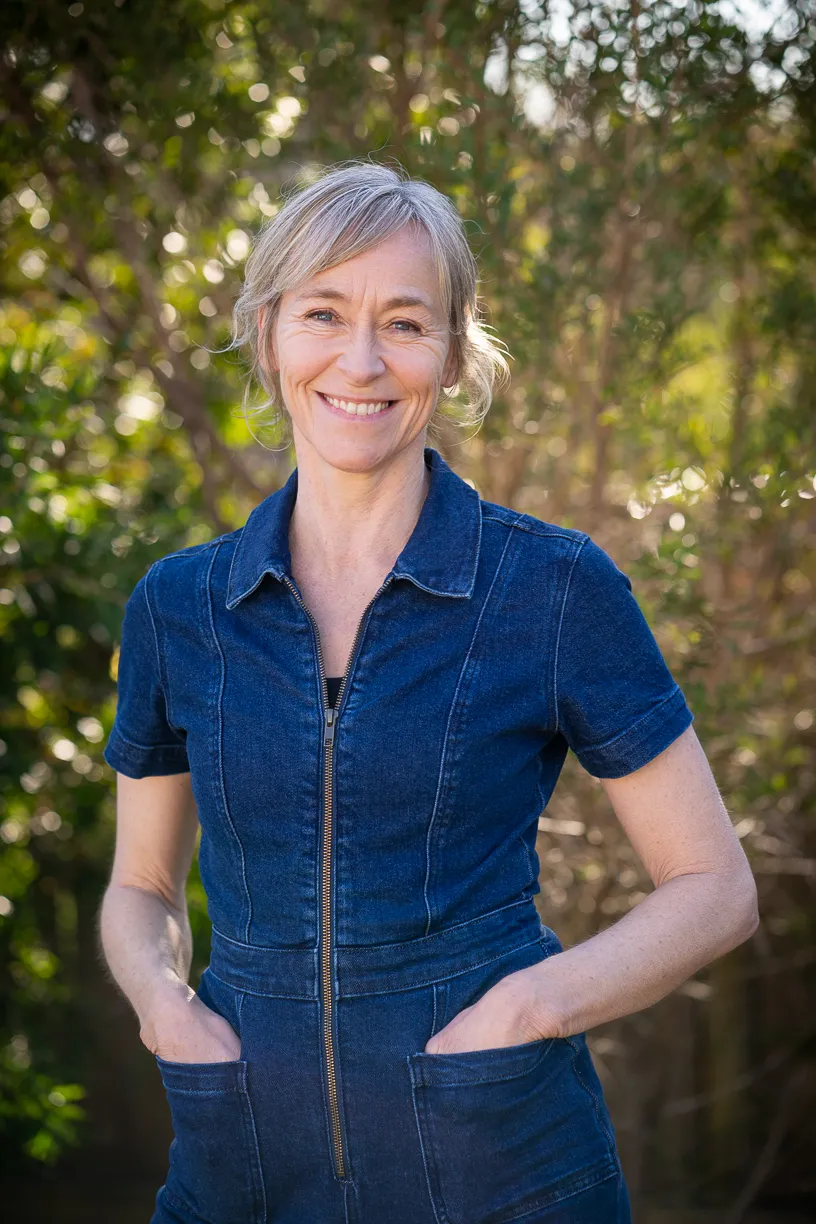
Jess Kingsford, PhD.
Welcome to
Happy Hearts Parenting
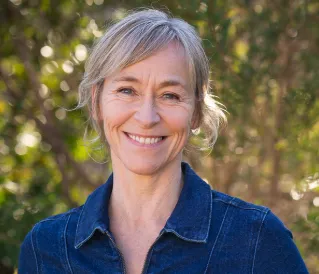
Jess Kingsford, PhD.
I’m so glad you found us! …because I was once where you are now:
juggling work, friendships, family commitments, and all the pressures that come with parenting.
And yet all I really wanted was to know that my kids would be ok.
That they’d grow up happy and have the skills they needed to navigate life’s challenges. No small hope at a time when anxiety and depression in young people have been increasing at alarming rates.
While completing my doctoral research on Childhood Moral Development, I came to see just how powerfully long-term wellbeing is shaped by the quality of our relationships and by the positive roles we come to play
in the lives of others.
And then I realised ... all of this begins in childhood.
Happy Hearts Parenting grew from this desire: To support parents in raising children who not only feel deeply loved, but who also feel valued and needed, who know they have something to give, and who know that what they do in the lives of others, matters.
We're so glad you've joined us here in the Happy Hearts community!
I’m so glad you found us!… because I was once where you are now, juggling work, relationships, and the many pressures of parenting.
All I really wanted was to know my kids would be ok.
That they’d grow up happy and equipped to navigate life, even as anxiety and depression in young people continue to rise.
Through my doctoral research in Childhood Moral Development, I came to understand how deeply long-term wellbeing is shaped by the quality of our relationships, and by the positive role we can play in the lives of others.
And it all begins in childhood.
Happy Hearts Parenting grew from this: a desire to support parents in raising children who feel deeply loved, but who also know they have something meaningful to give, and who know that what they do in the lives of others, matters.
We’re so glad you’re here!

Hear from Jess ....
"What an incredibly valuable framework!" - Chris
"The biggest gift you could give your child!" - Julie
"Super interesting...really applicable... Loved it!" - Duncan
"Easy-to-follow strategies!" - Ally

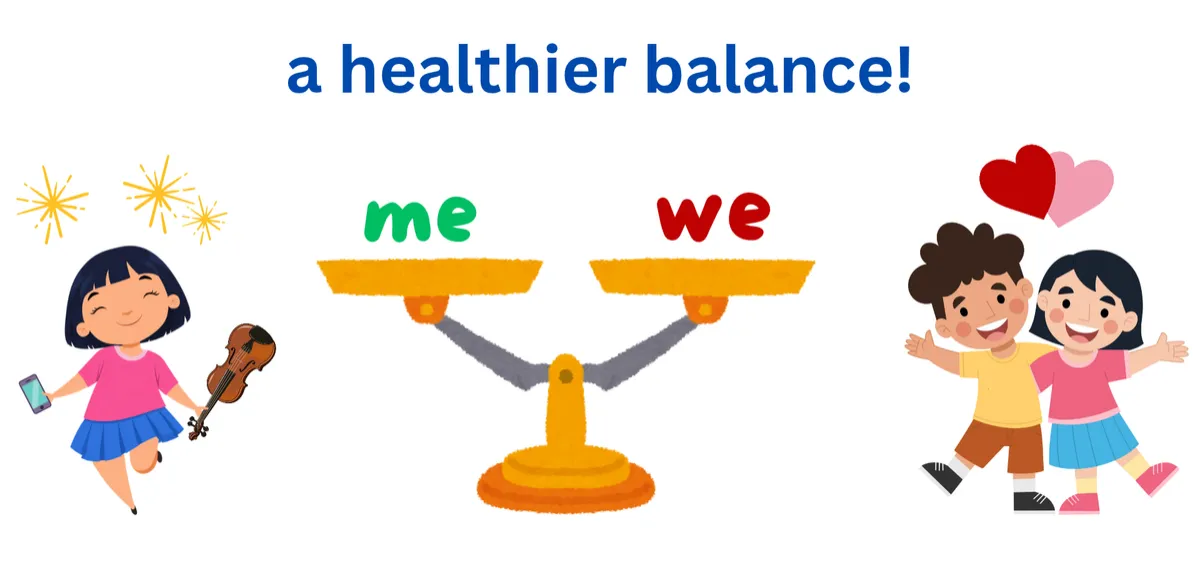
Aren’t all children self focused
and isn’t that just normal?
Things you might be wondering about...
Does it matter how old my kids are?
Well, ... yes and no.
Firstly, no it doesn't matter how old your kids are because it's NEVER too late to help our children develop a stronger sense of care and contribution towards others: to promote in our kids attributes like kindness, consideration, generosity, gratitude, helpfulness, compassion,...the list goes on.
On the other hand, in another sense it really does matter how old your kids are, because the reality is that the earlier in childhood we can start promoting these things in our kids, the easier it is (because younger kids tend to be more open and available to their parents than older kids) and the better it is for them (because research shows that the earlier these attributes develop, the better it is for kids' longterm mental and emotional health).
So start as early as you can, but.... it's never too late to start!
Does it matter if just one parent accesses your resources, or should it be both parents?
It’s a special thing when both parents can get on the same page, whether you’re parenting under the same roof or not. So if it's possible, grab your partner and watch one of our Masterclasses or a few Shorts videos together. You might even find yourselves sharing a few ideas and brainstorming together about how you can apply what you've learned in your own home (or homes!).
But if your child's other parent can’t join you or they aren’t quite ready to, that’s okay too. You can still get plenty out of the resources on your own. Perhaps you'll find yourself eagerly sharing a few reflections over dinner or the next time you catch up. We've found that many parents are keen to share with their partners what they've learned here at Happy Hearts Parenting!
How does all this apply to neurodivergent kids?
Although every child is different, and some children have particular needs, we’re confident that all children can benefit from feeling more deeply connected to others through kindness and contribution. When we approach things in ways that work for them, neurodivergent and neurotypical children alike can respond positively to discovering that they have something to give, that they’re valued and needed, and that the most rewarding relationships tend to be built on kindness and generosity.
You may also appreciate knowing that research suggests neurodivergent and neurotypical children can share similar moral concerns and intuitions, while differing in how they interpret social situations or express their care for others. Moral development may therefore follow different pathways, shaped by differences in communication, perspective-taking and individual support needs, rather than by any inherent lack of moral capacity.
So, yes! The principles underpinning our work are just as relevant to neurodivergent children. Parents and carers of neurodivergent children can feel confident that our resources offer valuable ideas, insights and practical strategies to help nurture their child's sense of connection, kindness and contribution. As with any child, the key is finding ways to put these ideas into practice that recognise and work with their individual strengths and needs.
Meet our team!
We're a small (but strong!) team based in the Blue Mountains in NSW Australia, and we're passionate about helping parents raise kind and connected kids who have a healthier sense of themselves...
in relationship to with others.
Learn more about out team below...

Jess Kingsford, PhD.
Founder and Co-Director
Jess Kingsford, PhD, is the founder of Happy Hearts Parenting. With a PhD in Childhood Moral Development from the University of Sydney and experience as a research psychologist and lecturer (University of Sydney, Charles Sturt University, University of Texas), Jess translates research into practical strategies to help parents nurture children’s kindness, connection and mental and emotional wellbeing.
“Understanding the connection between this fascinating area of childhood development and children’s mental and emotional wellbeing has never been more important.”

Nicola Monks
Business Development Manager
Nicola is a Business Development Manager with experience in corporate and small business, particularly in technology, and mum to two fabulous teenagers.
With an MBA from Swinburne University of Technology, Nicola is passionate about ethical leadership and moral development in business.
"The Happy Hearts Parenting concepts really resonated with me. I found myself applying them with my own teens and only wish I’d learned them sooner! I'm excited to help other parents discover these valuable insights while their children are still young.”

Lawrence Baker
Co-Director
With a background in law, public policy and veterinary medicine, Lawrence brings a unique perspective to childhood development. His work has fostered an appreciation for ethics, fairness, empathy and caregiving. As co-director of Happy Hearts Parenting, he champions raising children who understand the rewarding role they can play in others’ lives.
“The research linking what we teach to a wide range of wellbeing outcomes is still not fully appreciated in early childhood or the broader community!”
Join our Mailing list!
Stay in the loop to support your child’s mental and emotional wellbeing. From practical tips and downloadable guides to new masterclasses and the latest research insights, all translated into clear, practical advice you can actually use.
We’ll only email you when there’s something worth sharing (no inbox overload!). Sign up below to stay connected.
About Us
Happy Hearts Parenting is a not-for-profit organisation helping kids thrive through kindess, connection and contribution.
(We take a secular, evidence-based approach to our work and we are not affiliated with any religious or political organisations.)
FOLLOW US
FOLLOW US
© Copyright 2026