
Foundations Program
(Online Parenting Program)
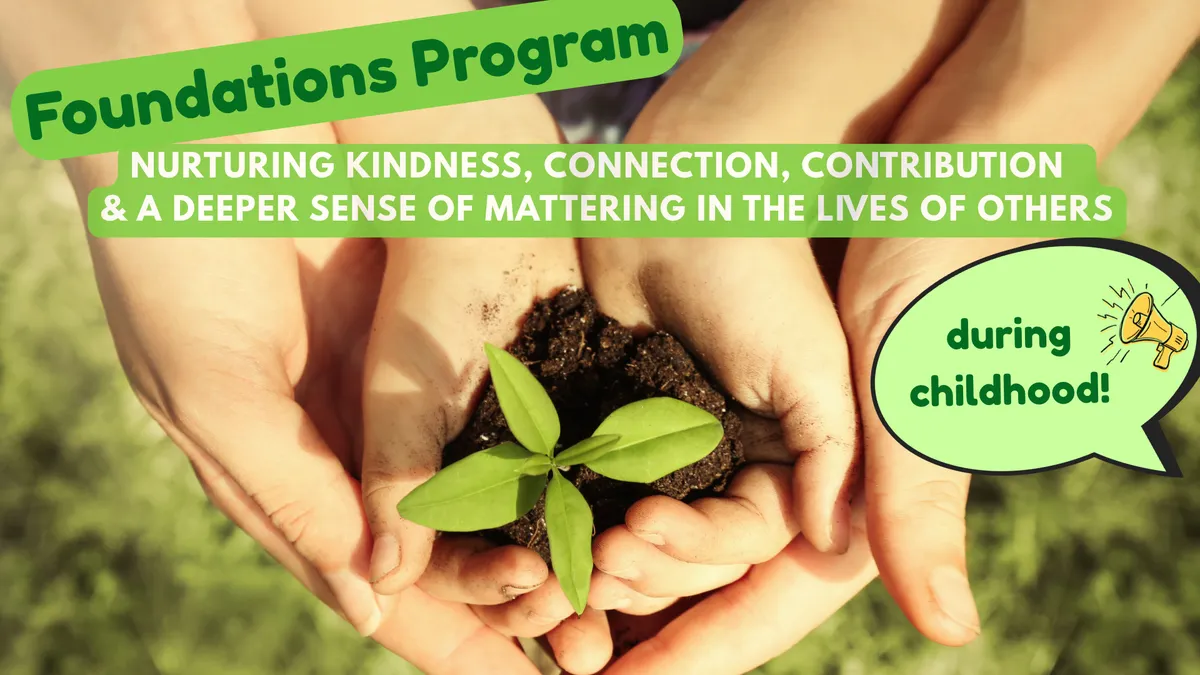
For a one-off payment of just $49.95
The problem we're facing as parents of young children:
IIn today's world, we're raising children in environments that increasingly encourage self-focus: an individualistic culture, digital environments centred on personal interests, and well-iintentioned parenting that can unintentionally prioritise children's own wants and interests over those of others. Against a backdrop of worrying increases in childhood anxiety, depression and loneliness, how can we give our children the best foundations for lifelong mental and emotional wellbeing?
Research points to the importance of positive relationships, social connection, belonging and feeling that we have something meaningful to contribute. By nurturing these experiences from the earliest years, we can help our children not only feel loved, but know they matter in the lives of others.
How can the Foundations Program help:
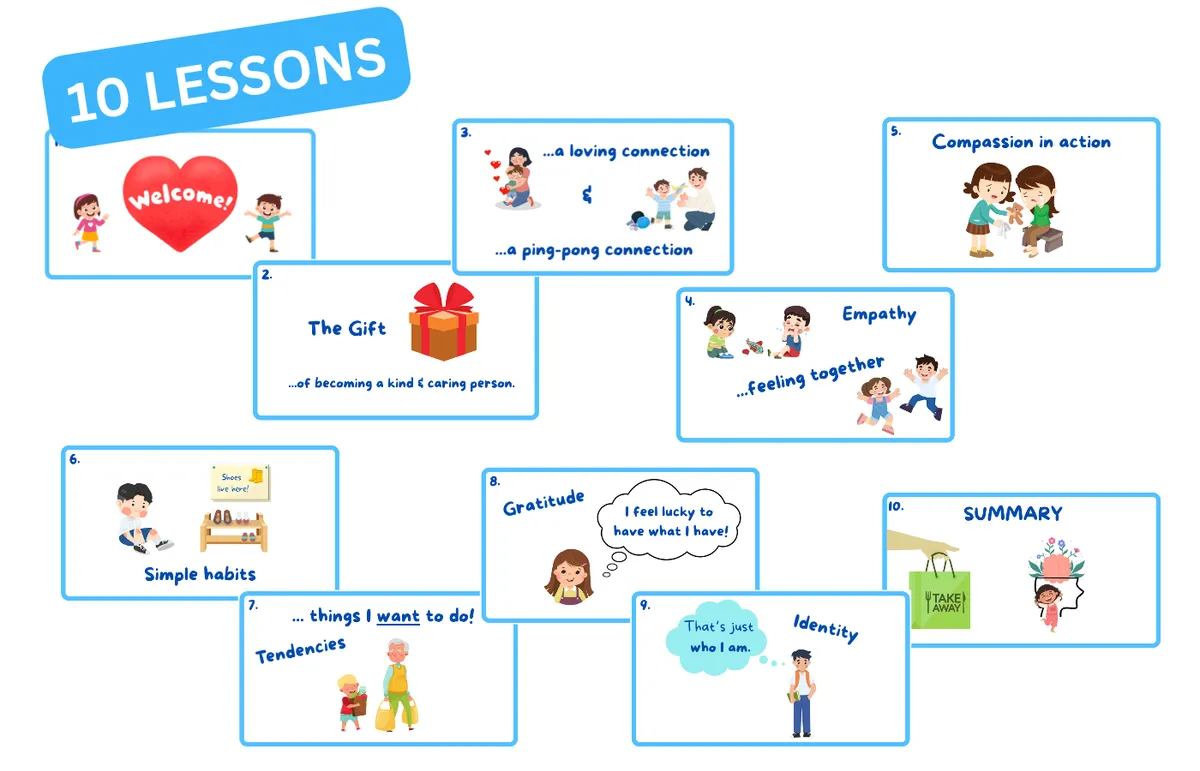
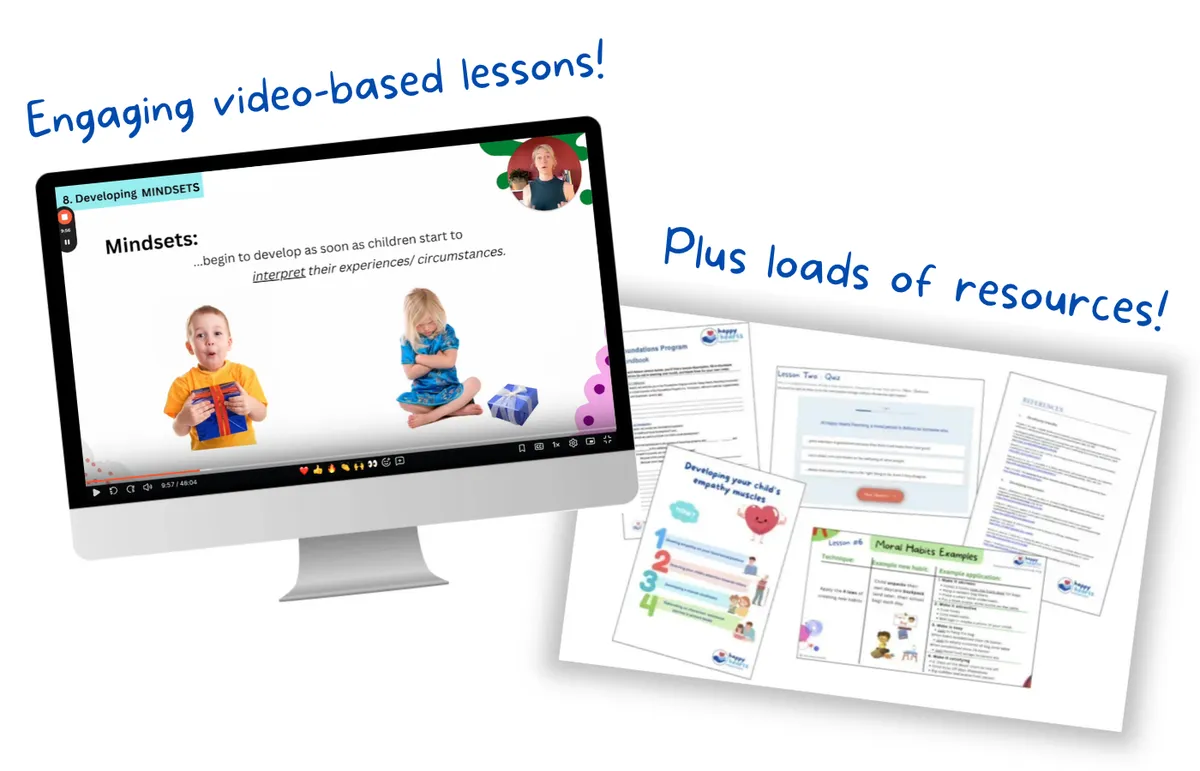
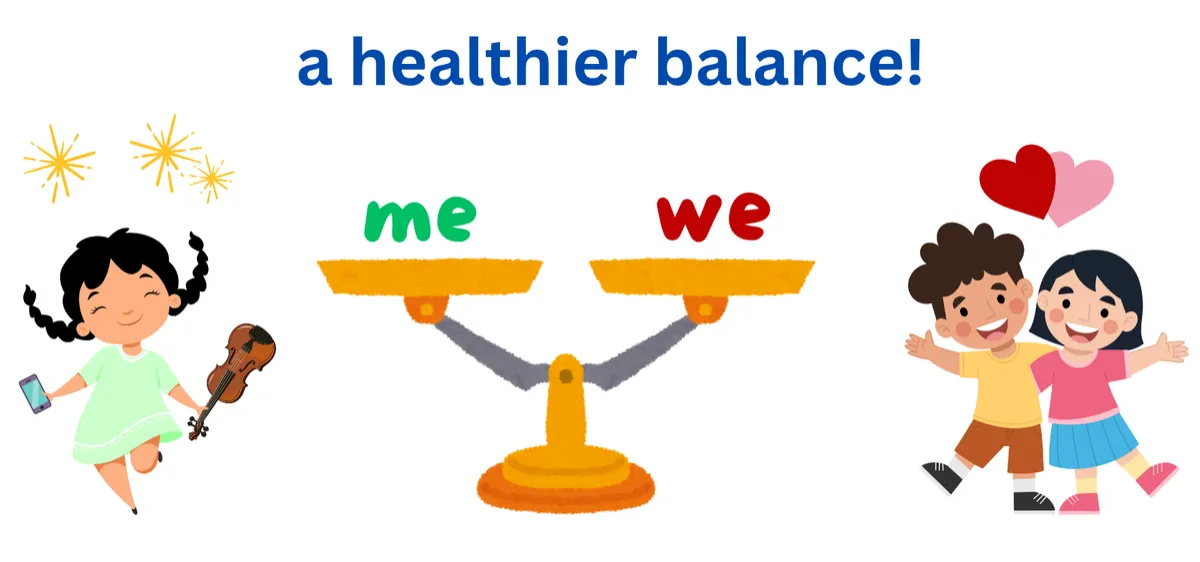
Across 10 engaging video lessons, Jess Kingsford, PhD, draws on research into childhood development and moral psychology to explain what children need most to help them develop into kind, caring, and connected people, and how nurturing these qualities can better their children's longterm mental and emotional wellbeing. This program offers a clear, research-based framework for understanding what matters in childhood - developing a healthier balance between being self-focused and caring about others. This program offers a wealth of practical techniques and strategies for promoting your child's wellbeing, that you can begin using now in your everyday family life.
What will you learn?
Our Foundations Program explores 8 key elements of childhood morel development and how they relate to children's wellbeing, relationships and development as caring, contributing people.
1. Build a warm, responsive relationship with your child
Discover the importance of a loving, responsive relationship in which you and your child respond to one another and stay connected. You'll learn why feeling safe, loved and understood provides an important foundation for children's development as caring young people, and for their longterm mental and emotional wellbeing.
2. Help your child develop empathy
Learn how to nurture your child's capacity to notice and understand what other people might be feeling. You'll discover why empathy matters and how helping children become more aware of others can support the development of meaningful, caring relationships.
3. Nurture compassion and caring responses
Understanding how someone else feels is one thing; wanting to help them is another. Explore how to encourage compassionate responses that help children develop caring relationships and experience the rewards of doing something kind for someone else.
4. Develop habits of helping, giving and sharing
Discover how ordinary family life offers countless opportunities for children to practise helping, giving and sharing. You'll learn how to make these behaviours a natural part of your family culture, rather than relying on constant reminders, rewards or pressure.
5. Meet your child's basic psychological needs
Explore three important psychological needs — autonomy, competence and relatedness — and how they influence children's motivation and development. You'll learn why children benefit from having an appropriate sense of choice, feeling capable and experiencing meaningful connection with others.
6. Expand your child's awareness of others
Children naturally begin by focusing on their own immediate needs and experiences. Learn how to help your child gradually widen their circle of awareness, notice the people around them and recognise that other people's needs matter, too.
7. Foster gratitude and an abundance mindset
Discover how to nurture gratitude and help your child develop a sense of abundance — the feeling that there is enough to share, give and enjoy, rather than always needing to compete for more. You'll explore how these perspectives can encourage generosity, strengthen relationships and help children appreciate what they have and what they can offer others.
8. Lay the foundations for a positive sense of identity
Children's experiences in the early years help shape how they see themselves as they grow. Learn how everyday opportunities to care, help, share and contribute can lay the groundwork for a sense of identity in which being a kind, caring person becomes an important part of who they are.
How does this connect with children's mental and emotional health?
The Foundations Program is about more than teaching children to behave well or be nice to others. It is about nurturing qualities, relationships and experiences that research links with better mental and emotional health outcomes.
When children experience warm, responsive relationships, they have opportunities to develop a sense of belonging. When they learn to care about others and contribute to their family and community, they can experience the satisfaction of being needed and valued. And when helping, sharing and kindness become part of how they see themselves, these behaviours can become more than things they do when prompted — they can become part of who they are.
These experiences don't eliminate the possibility of mental health challenges, but they help us focus on meaningful foundations we can nurture from the earliest years.
In a world where so many children are struggling, we want to help parents focus not only on what they hope to protect their children from, but on what they can actively nurture to help them thrive.
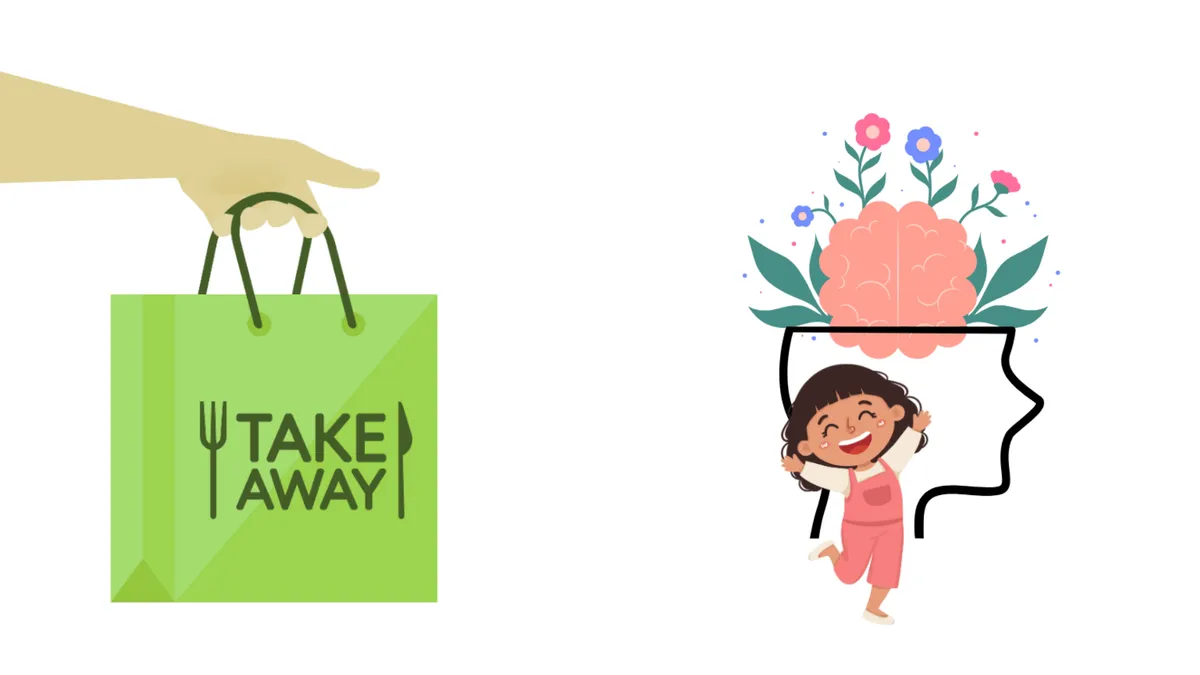
What will you take away?
The Foundations Program gives you the research-based knowledge and practical strategies to turn your hopes for your child into everyday actions designed to nurture and promote their long-term mental and emotional wellbeing.
You'll come away with:
* A clear, research-based framework for understanding the aspects of childhood development that matter most for long-term mental and emotional wellbeing.
* Practical tools and strategies you can use in everyday family life to nurture empathy, compassion, kindness, gratitude, generosity and helpfulness.
* Real-life examples and scripts to help you translate what you've learned into your interactions with your child.
* A better understanding of your child's development, including how early experiences can influence the way children relate to others and how they see themselves as they grow.
* Ideas for creating a culture of mutual care at home, where family members notice one another, help each other and experience the value of contributing to a shared life.
* Greater clarity and confidence as a parent, knowing why these everyday experiences matter and how you can make the most of them.
For a one-off payment of just $49.95
Join our mailing list!
Stay in the loop to support your child’s mental and emotional wellbeing. From practical tips and downloadable guides to new masterclasses and the latest research insights, all translated into clear, practical advice you can actually use.
We’ll only email you when there’s something worth sharing (no inbox overload!). Sign up below to stay connected.
About Us
Happy Hearts Parenting is a not-for-profit organisation helping kids thrive through kindess, connection and contribution.
(We take a secular, evidence-based approach to our work and we are not affiliated with any religious or political organisations.)
FOLLOW US
FOLLOW US
© Copyright 2026